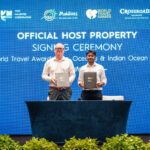

Male’, Maldives – 3 August 2026 – Sun Siyam Vilu Reef has launched its signature ‘Adopt-a-Coral’ initiative, offering guests the opportunity to directly contribute to the restoration and protection of the resort’s vibrant house reef.
Officially introduced in conjunction with World Nature Conservation Day on 28 July 2026, the initiative allows travellers to leave a lasting positive impact on the marine environment of South Nilandhe Atoll while developing a deeper connection with the Maldives’ underwater ecosystem.
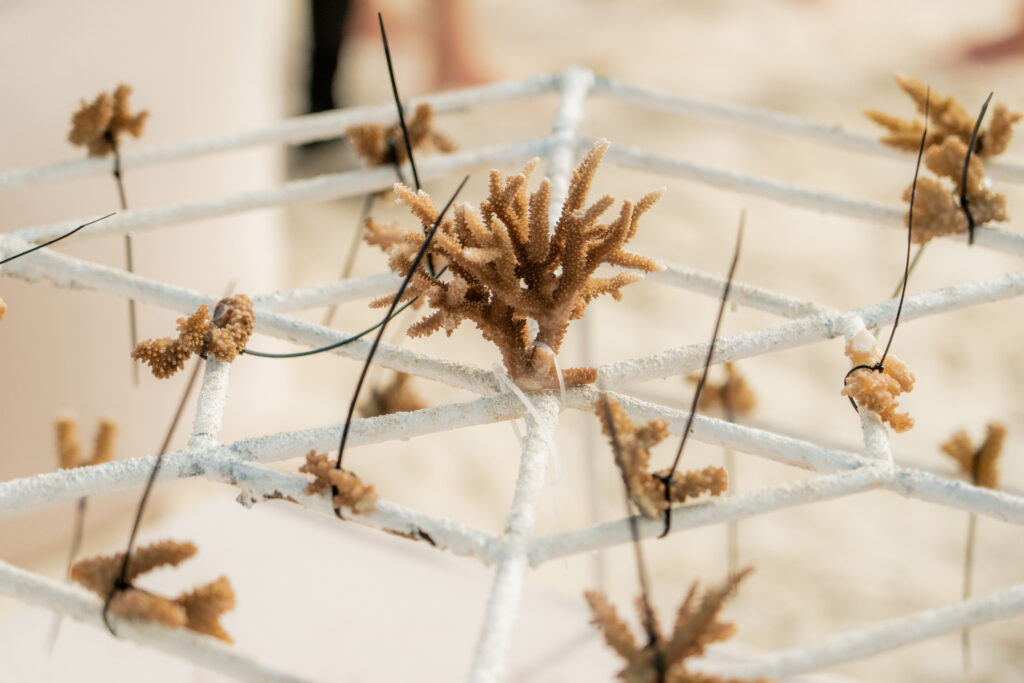
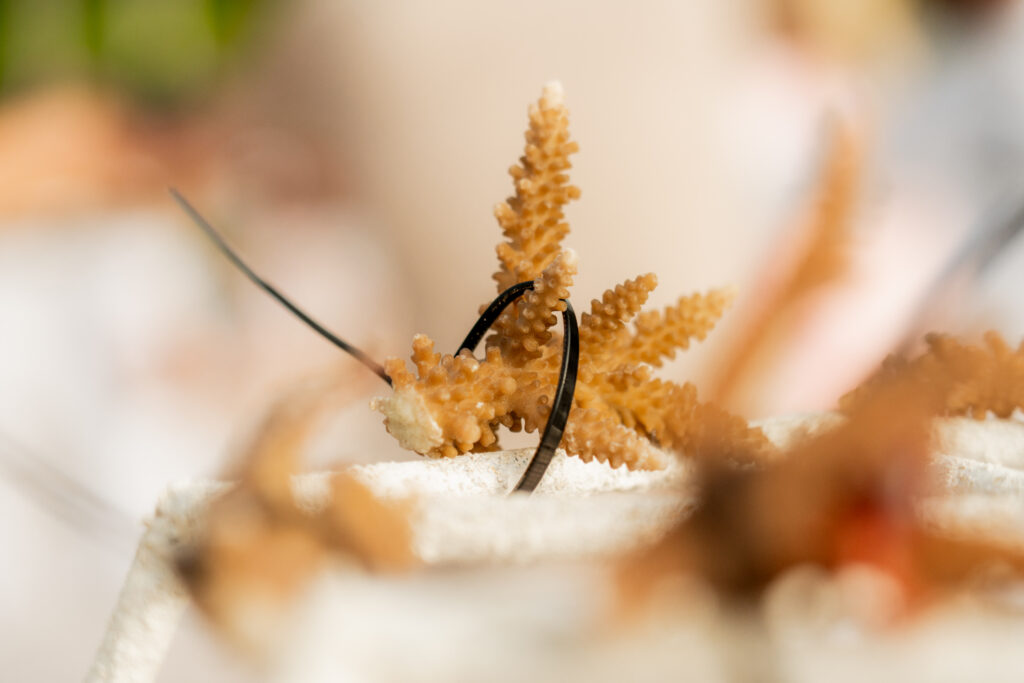
The programme is part of Sun Siyam Cares, the sustainability platform of Sun Siyam Resorts, and provides guests with a hands-on role in coral restoration. Under the guidance of the resort’s marine experts, participants carefully attach live coral fragments to specially designed nursery frames. The frames are then placed in designated areas of the lagoon, where the corals can grow and eventually help restore essential marine habitats.
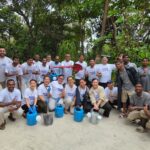
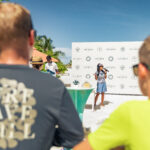
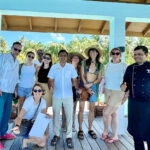
To mark the launch, Sun Siyam Vilu Reef hosted an interactive morning programme featuring specially prepared refreshments and a symbolic coral-frame planting ceremony. Guests who take part in the initiative will continue to receive personalised updates after leaving the resort, allowing them to follow the progress of the coral they helped restore.
“Our reef is the heart of our island, and protecting it is a responsibility we proudly share with every guest who visits us,” said Masdhooq Saeed, Cluster General Manager. “By giving our guests the opportunity to plant coral, we offer them a meaningful way to leave our sanctuary even better than when they arrived.”
He added that the initiative empowers visitors to contribute directly towards building a more resilient marine ecosystem while creating a lifelong connection with the Maldives.
The Adopt-a-Coral initiative forms an important part of Sun Siyam Vilu Reef’s long-term sustainability strategy, bringing together responsible luxury, guest participation, conservation and community engagement.
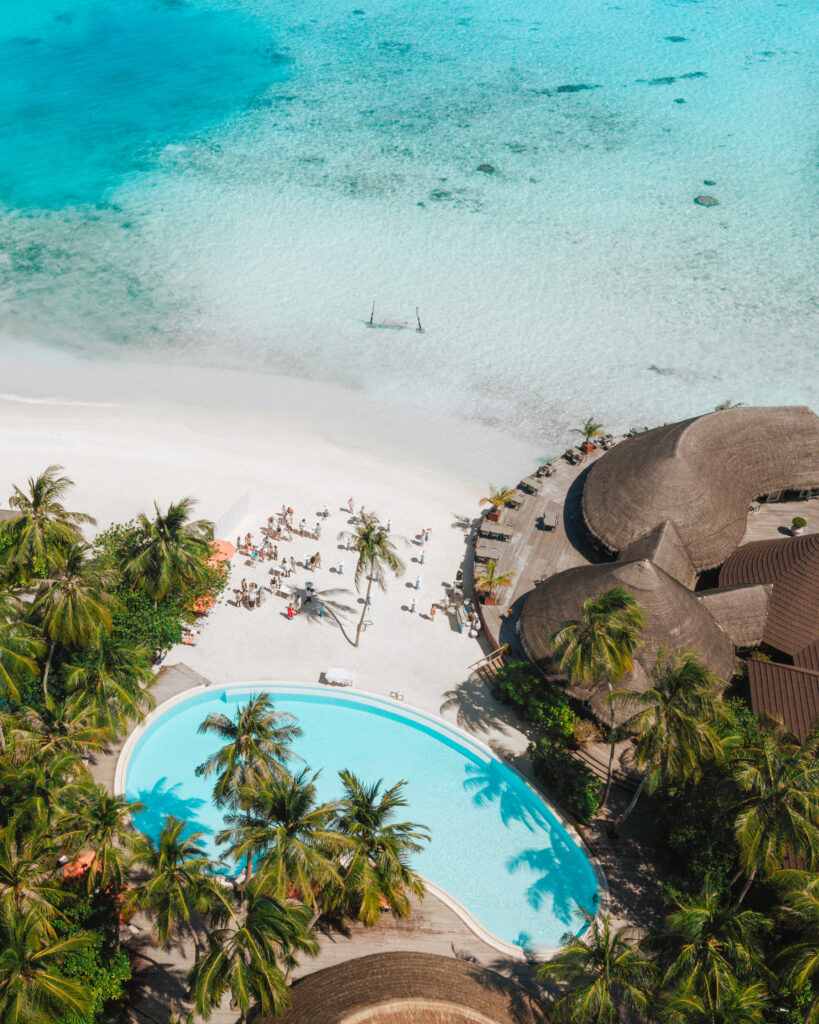
The resort’s house reef supports a rich variety of coral formations, tropical fish, turtles and other marine species. Protecting this ecosystem remains essential to preserving the biodiversity of the atoll for future generations.